Understanding the Impact of Faulty Units on Energy Use
Refrigerators are essential in every home, keeping our food fresh. But when they malfunction, it can lead to more than just spoiled food. Faulty refrigerators affect energy efficiency significantly, driving up electricity bills and leading to frequent breakdowns. Understanding how these issues arise and addressing them promptly can save energy and costs. This article will explore common problems with faulty refrigerators, their effect on energy use, and solutions to maintain an efficient appliance.
Energy Consumption and Its Challenges
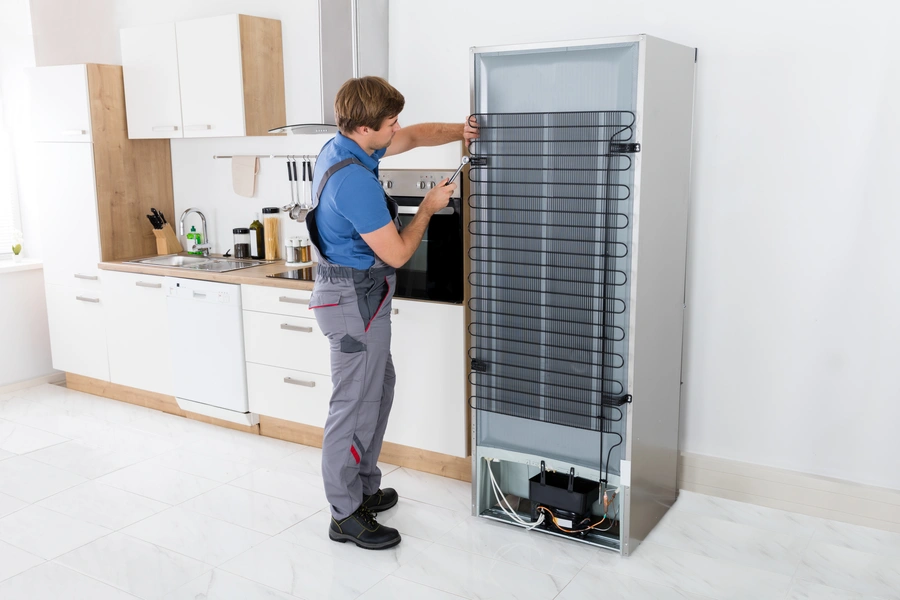
A refrigerator that doesn’t work properly uses extra energy. Over time, parts like seals or thermostats might wear out, causing the fridge to use more power. This not only affects your utility bills but also places a burden on the appliance’s lifespan. Homeowners often find themselves needing refrigerator repair as a result of increased strain from inefficient operation. Identifying these issues early can prevent excessive energy consumption.
Recognizing Signs of Inefficiency
Your refrigerator may show signs of trouble before completely breaking down. Some indicators include unusual noises, fluctuating temperatures, or frost buildup. If you notice any of these signs, it’s time to consider repairs. An increase in your electric bill can also indicate inefficiency. Refrigerator repair can address these problems by ensuring all components function correctly, thus improving energy efficiency.
The Role of Regular Maintenance
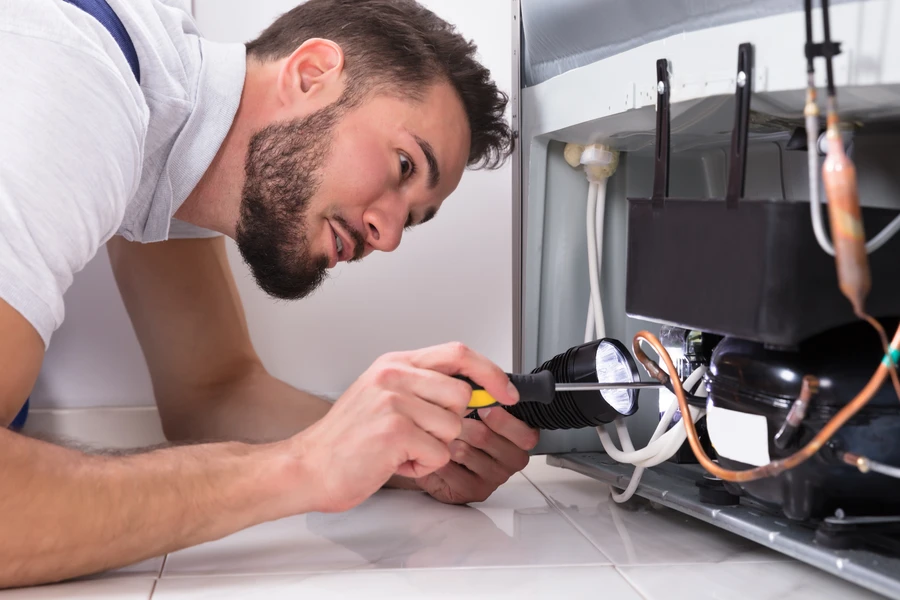
Maintenance plays a crucial role in preventing refrigerator issues. Routine checkups help catch problems early, reducing the need for extensive repairs. Simple tasks like cleaning coils, checking door seals, and adjusting temperature settings can make a big difference. These preventive measures ensure that your fridge runs smoothly and efficiently without unnecessary energy waste.
Cost Implications of Neglecting Maintenance
Inefficient refrigerators cost more than just higher energy bills; they also lead to costly repairs. Delaying maintenance can result in major failures that require expensive fixes or even replacement. A proactive approach helps avoid these financial burdens. By investing in regular upkeep, homeowners can extend their appliance’s lifespan while keeping operating costs low.
Solutions to Improve Efficiency
To improve your refrigerator’s efficiency, follow some straightforward steps:
- Ensure proper spacing around the unit for airflow
- Keep the refrigerator well-stocked but not overcrowded
- Regularly clean and vacuum condenser coils
- Check and replace damaged door seals
- Set appropriate temperature levels for both fridge and freezer compartments
These practices enhance performance and reduce energy consumption, saving money over time.
Expert Tips for Optimal Performance
Experts recommend several best practices to keep refrigerators running optimally. Firstly, defrost regularly to prevent ice build-up which can hamper efficiency. Secondly, inspect gaskets for wear and tear to ensure a tight seal. Lastly, place the fridge away from heat sources like ovens or direct sunlight. Implementing these tips helps maintain optimal operation and prolong the appliance’s life.
Evaluating Repair Costs Versus Replacement
When faced with persistent problems, deciding whether to repair or replace a refrigerator is crucial. Assessing repair costs involves considering parts and labor against the age and condition of the appliance. Sometimes replacing an old unit with a new energy-efficient model provides better long-term savings. Weighing these options carefully ensures informed decisions about your kitchen investment.
Final Recommendations for Efficient Refrigeration
If you’re facing issues with your refrigerator in Eugene, OR, consider contacting me at (541) 480-6258 for expert guidance and service from Polished Appliance Repair - Serving Central Oregon, Medford, and Eugene. Proactive care and timely intervention can prevent small problems from escalating into larger ones, ensuring your appliance runs efficiently for years to come.